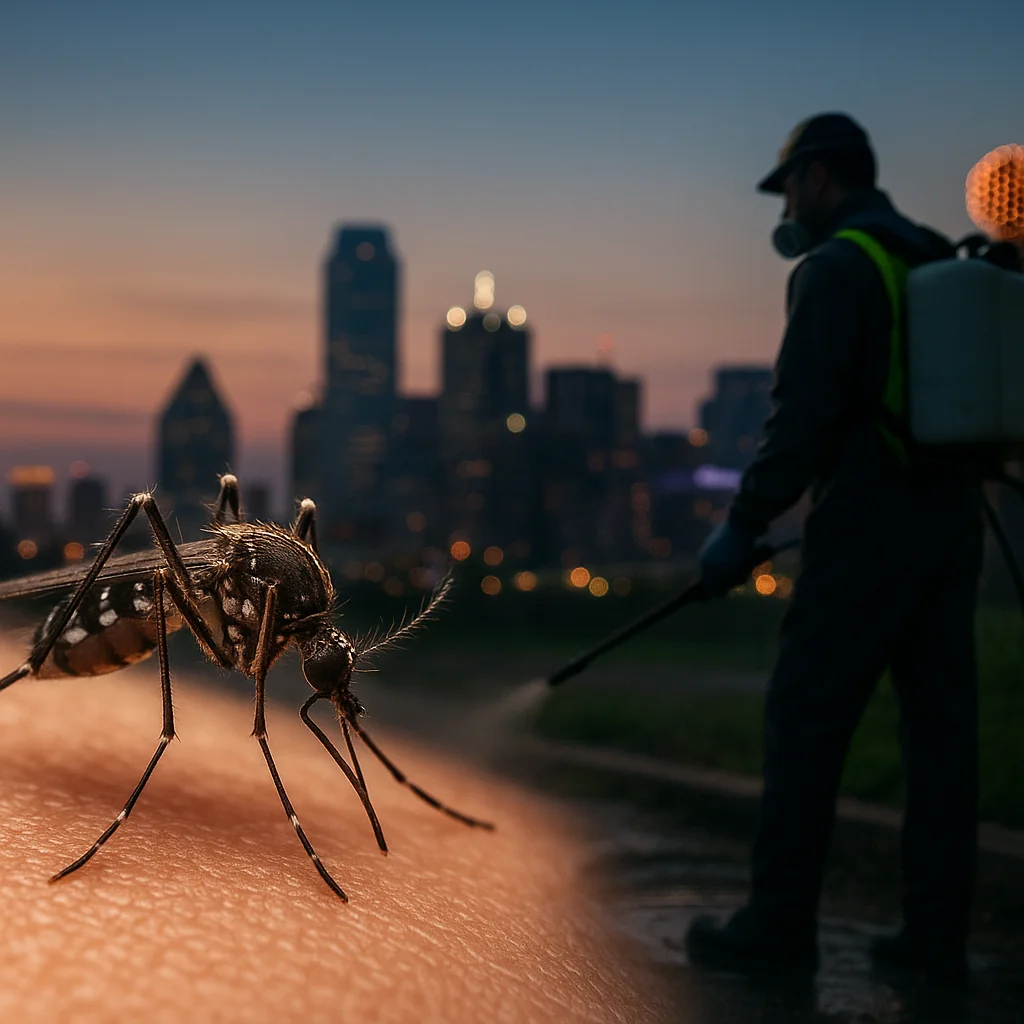
Understanding Mosquito-Borne Health Risks in Dallas
Residents across Dallas face significant health risks from mosquitoes which transmit dangerous diseases like West Nile virus dengue and Zika. With the city’s humid subtropical climate and abundant standing water these pests thrive creating year-round concerns for families and businesses. Professional mosquito control Dallas services help mitigate these threats by reducing populations and preventing disease transmission in local neighborhoods.
The Prevalence of Mosquitoes in Dallas-Fort Worth
Dallas sits in a perfect breeding ground for mosquitoes due to its warm temperatures high humidity and frequent rainfall. From spring through fall mosquito activity peaks especially after heavy rains that leave standing water in yards parks and storm drains. The Dallas-Fort Worth metroplex reports consistent mosquito activity with species like Aedes aegypti and Culex quinquefasciatus being most common. These insects do not just cause itchy bites but serve as vectors for multiple pathogens that can lead to serious illness hospitalization and in rare cases death.
Local climate patterns have extended the active mosquito season making protection vital for residents in areas from Downtown Dallas to suburban communities. Urban development creates additional breeding sites in flower pots gutters and abandoned tires while nearby waterways and green spaces provide ideal habitats for larvae development.
Major Diseases Transmitted by Mosquitoes in Dallas
West Nile Virus
West Nile virus represents the most significant mosquito-borne illness in Texas with Dallas County consistently reporting cases each year. Transmitted primarily by Culex mosquitoes infected birds serve as the primary reservoir. Most people infected with West Nile virus experience no symptoms but approximately 20 percent develop West Nile fever with symptoms including fever headache body aches fatigue and sometimes a skin rash.
In less than 1 percent of cases the virus causes severe neurological disease including encephalitis or meningitis. These severe cases can result in permanent disability or death particularly among older adults and those with weakened immune systems. Dallas health officials monitor mosquito pools and bird populations to track potential outbreaks providing early warnings to residents.
Zika Virus
Though less common than West Nile the Zika virus presents unique concerns especially for pregnant women. Transmitted by Aedes mosquitoes Zika infection during pregnancy can cause microcephaly and other severe birth defects. While major outbreaks have subsided travel-related cases still appear in Dallas occasionally requiring continued vigilance.
Symptoms of Zika are often mild including fever rash joint pain and conjunctivitis. The virus can be transmitted sexually as well as through mosquito bites making education and prevention critical for couples planning pregnancy.
Dengue Fever
Dengue has emerged as a growing threat in Texas with local transmission documented in southern counties. Dallas sees occasional imported cases but changing climate patterns could expand the range of Aedes aegypti mosquitoes that carry the virus. Dengue causes severe flu-like symptoms including high fever intense headaches pain behind the eyes muscle and joint pain and nausea.
A second infection with a different dengue strain can lead to severe dengue or dengue hemorrhagic fever which may cause internal bleeding shock and even death without proper medical care. Early recognition and supportive treatment are essential for positive outcomes.
Other Mosquito-Borne Illnesses
Additional diseases found in the region include St. Louis encephalitis Chikungunya and occasionally malaria. While malaria remains rare in Dallas due to control efforts imported cases require prompt attention to prevent local transmission. Each pathogen presents unique symptoms and risks emphasizing the importance of professional intervention through services like larval control treatment that targets mosquitoes before they can transmit disease.
High-Risk Areas for Mosquito Activity in Dallas
Certain Dallas neighborhoods face elevated mosquito risks due to their proximity to water sources landscaping features and urban density. Historic districts such as Swiss Avenue with their mature trees and ornamental gardens often have more standing water collection points. Similarly the vibrant Deep Ellum area with its mixture of commercial and residential properties creates numerous microhabitats where mosquitoes can breed in overlooked containers and drainage systems.
Parks and green spaces throughout Dallas including White Rock Lake and the Trinity River corridor provide ideal breeding environments. Residential areas with poor drainage backyard ponds or neglected swimming pools also see higher mosquito density. Commercial properties face unique challenges as large parking lots rooftops and landscaping features can create breeding sites affecting both employees and customers.
Vulnerable Populations in Dallas
While mosquitoes can affect anyone certain groups face higher risks of severe complications from mosquito-borne diseases. Children and infants have higher rates of infection due to their developing immune systems and tendency to play outdoors. Older adults particularly those over 60 experience more severe outcomes from West Nile virus with higher hospitalization rates.
Individuals with compromised immune systems including cancer patients organ transplant recipients and those with HIV face greater danger from these infections. Pregnant women must take special precautions against Zika and other viruses that can affect fetal development. Outdoor workers in construction landscaping and hospitality industries experience more frequent bites increasing their exposure to potential pathogens.
Identifying Mosquito Breeding Sites on Your Property
Effective prevention begins with identifying and eliminating breeding sites. Mosquitoes need only a small amount of standing water to lay eggs with larvae developing in as little as seven days. Common breeding locations in Dallas homes include:
- Birdbaths and pet water bowls that are not changed regularly
- Flower pots and saucers collecting rainwater
- Gutters clogged with leaves and debris
- Discarded tires and plastic containers
- Children’s toys and playground equipment
- Pool covers with standing water
- Tree holes and hollow stumps
Regular property inspections especially after rainfall help identify these problem areas before mosquitoes emerge. Many residents underestimate how quickly populations can explode from a single overlooked container.
Professional Mosquito Control Solutions
While homeowners can take steps to reduce mosquito habitats professional intervention provides the most effective protection. Modern mosquito control Dallas approaches combine multiple strategies targeting different life stages of the mosquito. Larval control treatment focuses on preventing development in water sources using environmentally responsible products that specifically target mosquito larvae without harming beneficial insects.
Adult mosquito management involves barrier treatments around properties creating a protective zone that reduces biting activity. These treatments use advanced formulations that provide weeks of protection with minimal environmental impact. For businesses commercial mosquito control programs protect employees customers and outdoor dining areas while meeting industry-specific requirements.
Integrated Mosquito Management Approach
The most successful programs follow integrated mosquito management principles combining surveillance source reduction biological control and targeted chemical applications. This comprehensive strategy minimizes pesticide use while maximizing effectiveness. In Dallas professionals monitor local conditions adjusting treatment timing and methods based on weather patterns mosquito activity levels and disease surveillance data.
Advanced technologies including drone mapping and GIS tracking help identify problem areas across large properties allowing for precise targeted treatments. These data-driven approaches ensure resources focus on the highest risk zones delivering better results than calendar-based spraying alone.
Personal Protection Strategies for Dallas Residents
Individual actions complement professional services in reducing health risks. The CDC recommends using EPA-registered repellents containing DEET picaridin or oil of lemon eucalyptus when outdoors during peak mosquito hours from dusk to dawn. Wearing long sleeves and pants provides physical barriers while light-colored clothing makes it easier to spot mosquitoes before they bite.
Installing or repairing window screens prevents mosquitoes from entering homes. Fans can help as mosquitoes are weak fliers and have difficulty navigating air currents. Eliminating standing water remains the most important individual action as it directly reduces local mosquito populations.
Seasonal Considerations for Mosquito Control in Dallas
Mosquito activity in North Texas follows distinct seasonal patterns with populations typically surging in late spring and remaining high through early fall. However mild winters and early spring rains can extend the active season requiring year-round vigilance. Early season treatments targeting overwintering mosquitoes provide a head start on population control preventing explosive growth later in summer.
Fall treatments reduce populations preparing to overwinter decreasing the starting numbers for the following spring. Understanding these cycles helps Dallas residents and businesses time their prevention efforts for maximum effectiveness. Professional services adjust their programs throughout the year responding to changing conditions and emerging threats.
The Economic Impact of Mosquito-Borne Illness
Beyond personal health concerns mosquito-borne diseases create significant economic burdens. Medical costs associated with treatment hospitalization and long-term care for severe cases can reach tens of thousands of dollars per patient. Lost productivity from illness affects both individuals and employers particularly in outdoor industries.
Tourism and hospitality sectors suffer when mosquito problems damage an area’s reputation. Property values may decline in neighborhoods known for severe mosquito issues. These factors underscore the value of proactive mosquito control Dallas programs that prevent outbreaks before they occur.
Environmental Considerations in Mosquito Control
Responsible mosquito management balances disease prevention with environmental protection. Modern treatments target specific pests while minimizing impact on beneficial insects pollinators and aquatic life. Many professional services now offer organic and reduced-risk options for environmentally conscious property owners.
Habitat modification and biological controls using mosquito-eating fish and bacteria provide effective alternatives to chemical treatments in appropriate settings. Education about these options helps Dallas residents make informed decisions about protecting their families and local ecosystems simultaneously.
Community-Wide Mosquito Control Efforts
Individual and commercial efforts work best when combined with community action. Dallas participates in regional surveillance and control programs that monitor disease activity and respond to potential outbreaks. Public education campaigns teach residents about eliminating breeding sites and protecting themselves from bites.
Neighborhood associations and HOAs can coordinate treatment programs for common areas creating larger protective zones. Collaboration between residents businesses and public health officials creates a more effective defense against mosquito-borne diseases than any single approach could achieve alone.
When to Seek Professional Help
Certain situations call for professional mosquito control services beyond what homeowners can accomplish alone. Properties bordering natural waterways or with significant standing water may require specialized equipment and expertise. Businesses with outdoor customer areas particularly restaurants with patios need consistent professional management to maintain comfortable environments.
Recurring mosquito problems despite DIY efforts indicate the need for professional assessment and treatment. Families with vulnerable members including young children pregnant women or elderly relatives benefit from the higher level of protection professional services provide. Early intervention prevents small problems from becoming major infestations and health risks.
Conclusion: Protecting Dallas from Mosquito Threats
The health risks associated with mosquitoes in Dallas require ongoing attention and proactive management. By understanding local disease threats identifying breeding sites and implementing comprehensive control strategies residents and businesses can significantly reduce their risk. Professional mosquito control Dallas services offer the most effective solution combining scientific knowledge advanced treatments and local expertise to create safer outdoor environments throughout the city.
Through integrated approaches that address all life stages of mosquitoes Dallas can minimize disease transmission while maintaining its beautiful green spaces and outdoor lifestyle. Regular monitoring combined with targeted interventions provides the best defense against these persistent pests and the serious health concerns they bring.
Leave a Reply