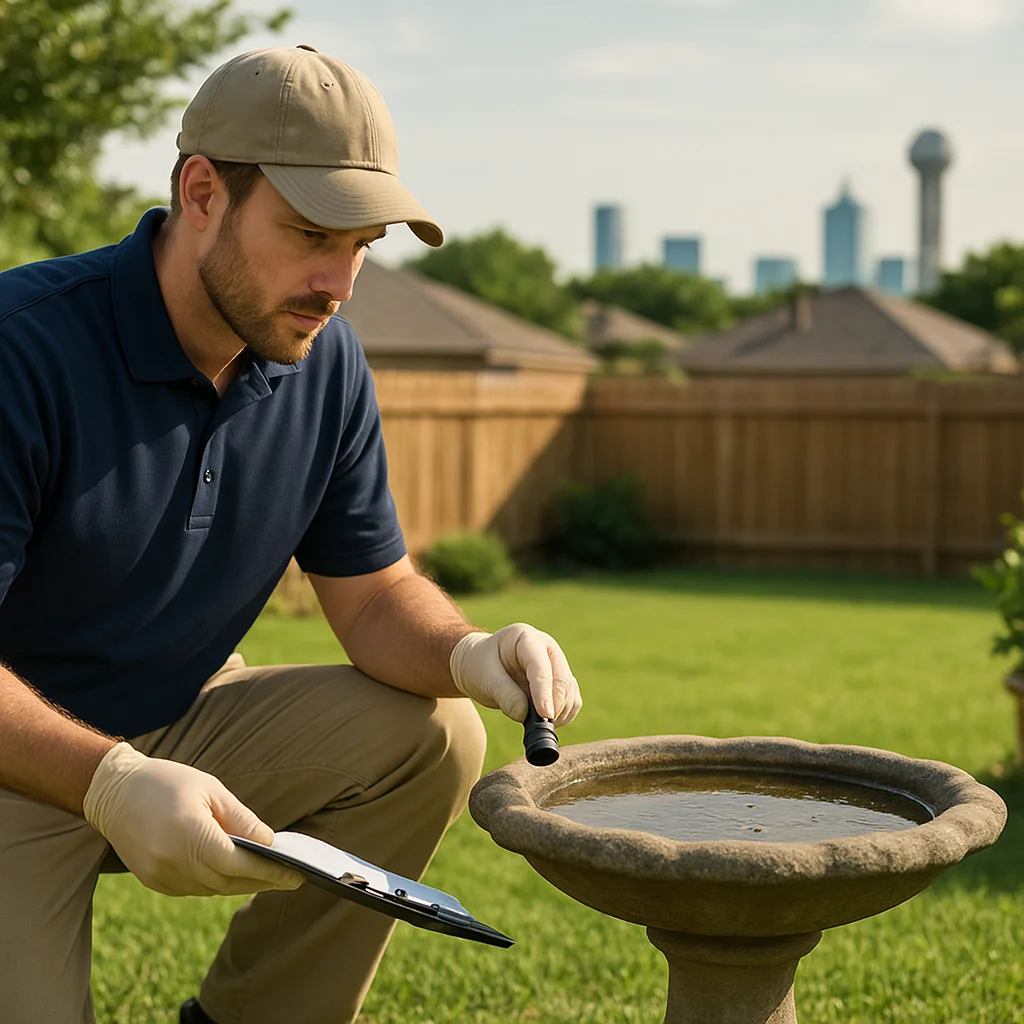
What to Expect During a Professional Mosquito Inspection in Dallas
If you are dealing with persistent mosquito problems around your Dallas home or business you may be considering a professional mosquito inspection. During a professional mosquito inspection in Dallas technicians will thoroughly assess your property for breeding sites standing water and conducive conditions while identifying specific species and recommending targeted treatments. This comprehensive evaluation typically takes 30 to 60 minutes and provides the foundation for an effective mosquito control Dallas plan tailored to local climate and urban environment.
Living in Dallas means dealing with more than just the summer heat. The combination of humidity frequent rains and abundant green spaces creates ideal conditions for mosquitoes to thrive. From backyard barbecues to evening walks in the park these pests can quickly turn enjoyable outdoor activities into itchy ordeals. Understanding what happens during a professional inspection helps homeowners and property managers set realistic expectations and appreciate the value of expert intervention.
Why Professional Mosquito Inspections Matter in Dallas
Dallas sits in a unique ecological zone where several mosquito species flourish. The Aedes aegypti and Aedes albopictus mosquitoes that transmit diseases like Zika and dengue are increasingly common in urban neighborhoods. Meanwhile Culex species that carry West Nile virus prefer the stagnant water found in neglected drainage systems and backyard containers.
A professional inspection goes far beyond a casual walk around the yard. Certified technicians bring specialized knowledge of local breeding patterns seasonal activity cycles and the specific behaviors of Dallas mosquito populations. They understand how the city’s clay soils poor drainage in certain areas and abundant landscaping features contribute to mosquito proliferation.
Without proper identification of breeding sources even the most aggressive adult mosquito treatments provide only temporary relief. Professional inspectors locate hidden water sources evaluate landscape features that collect moisture and assess structural elements that may be creating problems. This thorough approach leads to longer lasting solutions and significantly reduced pesticide use.
The Initial Contact and Scheduling Process
When you reach out to a reputable mosquito control company in Dallas the process begins with a few basic questions about your property size specific concerns and history of mosquito activity. Many companies offer same week appointments especially during peak season from April through October.
Before the visit you may receive preparation tips such as removing clutter from the yard or making sure access to the backyard is clear. These small steps help technicians conduct a more thorough assessment. The inspection itself is non invasive and does not require any special preparation beyond basic access.
Technicians typically arrive in clearly marked vehicles wearing company uniforms and carrying professional identification. They will introduce themselves explain the inspection process and ask about any particular areas of concern you have noticed on your property.
Step by Step: What Happens During the Inspection
Property Perimeter Assessment
The inspection begins with a complete walk around the property boundaries. Technicians examine fences neighboring properties and transitional areas where mosquitoes may enter from adjacent lots. In Dallas neighborhoods with close proximity between homes this perimeter evaluation is crucial for understanding the full scope of the problem.
Inspectors pay special attention to drainage ditches common in many Dallas areas as these can become significant breeding grounds after rainstorms. They also evaluate how water flows across the property during heavy rains which are frequent during spring and fall.
Standing Water Identification
This represents the most critical component of any mosquito inspection. Technicians systematically check every possible water collection point on the property. Common sources in Dallas include:
- Birdbaths and pet water bowls
- Flowerpot saucers and plant containers
- Gutters and downspouts
- Children’s toys and play equipment
- Boat covers and tarps
- Low spots in lawns and landscaping
Even tiny amounts of water as little as a bottle cap full can support mosquito development. Professional inspectors are trained to spot these inconspicuous sources that homeowners often overlook.
Vegetation and Landscape Analysis
Dallas properties with lush landscaping provide both harborage and breeding opportunities for mosquitoes. Inspectors evaluate dense shrubbery ornamental grasses and areas with heavy mulch that retain moisture. They look for specific plants that may be contributing to the problem and suggest modifications that can reduce mosquito friendly conditions.
The inspection includes checking for irrigation issues such as sprinkler heads that create pooling or drip systems that keep areas constantly moist. In many Dallas neighborhoods overwatering is a significant contributor to mosquito populations.
Structural Feature Evaluation
Technicians examine the home itself for features that may collect water or provide entry points. This includes window screens roof gutters foundation areas and any outdoor structures like sheds or gazebos. They also assess outdoor lighting which can attract mosquitoes at night.
For commercial properties the inspection expands to include loading docks storage areas and employee break spaces. Commercial mosquito control requires understanding business operations and minimizing impact on customers and staff.
Tools and Technology Used in Modern Inspections
Professional mosquito control technicians in Dallas utilize several specialized tools during inspections. Flashlights help reveal hidden water sources in shaded areas while moisture meters can identify damp spots in landscaping. Some companies use thermal imaging to locate hidden moisture problems.
Many technicians now use digital mapping applications to document findings and create detailed property profiles. This technology allows for precise tracking of problem areas over multiple visits and seasons.
Larval dipping tools help sample standing water to determine if mosquito larvae are present. When larvae are found technicians can identify the specific species which informs treatment decisions. Different species require different approaches for effective control.
Understanding Your Inspection Report
Following the inspection you should receive a detailed report outlining findings and recommendations. A quality report will include:
- Identification of all discovered breeding sites
- Photos of problem areas when appropriate
- Species identification if larvae were found
- Recommended physical modifications
- Treatment options with clear explanations
- Prevention strategies for long term success
The report should prioritize issues by severity and provide both immediate and long term solutions. For example addressing a neglected swimming pool would take precedence over minor landscaping adjustments.
Common Findings in Dallas Properties
Certain patterns emerge when inspecting homes across Dallas. Many properties have issues with clogged gutters particularly in areas with heavy tree coverage like Uptown Dallas. The historic homes in this area often have complex rooflines that make gutter maintenance challenging.
In Deep Ellum and other revitalized neighborhoods outdoor dining areas and patios create additional challenges. Restaurant patios with potted plants and water features require specialized approaches that balance mosquito control with aesthetic and functional requirements.
Many Dallas homes have French drains or other stormwater management features that can trap water if not properly maintained. Swimming pools and water features while beautiful can become significant breeding sources when not properly maintained especially during winter months when many pools sit unused.
Treatment Options Following the Inspection
Based on inspection findings technicians may recommend several treatment approaches. Perimeter treatment creates a protective barrier around your property by applying products to vegetation and structural elements where mosquitoes rest.
For properties with significant breeding sources larval control treatment targets mosquitoes at their source before they can emerge as biting adults. This approach is both more effective and more environmentally responsible than relying solely on adult mosquito control.
Modern mosquito control integrates multiple strategies including biological controls like Bacillus thuringiensis israelensis (Bti) which specifically targets mosquito larvae while remaining safe for beneficial insects pets and humans.
Seasonal Considerations for Dallas Mosquito Control
Dallas experiences distinct mosquito seasons with activity beginning as early as March in warm years and continuing through November. The inspection process varies somewhat by season as different species become dominant at different times.
Spring inspections focus heavily on locating overwintering sites and early breeding sources. Summer inspections address peak populations and often require more frequent follow up visits. Fall inspections prepare properties for reduced winter activity while identifying any late season breeding sources that could impact the following year.
Weather patterns significantly influence mosquito activity in North Texas. Following significant rainfall events many properties develop new breeding sites that require prompt attention. Professional companies monitor local weather and adjust service schedules accordingly.
Preparing Your Property for Inspection
While no extensive preparation is required a few simple steps can help technicians conduct a more thorough inspection. Remove any unnecessary clutter from the yard especially items that might collect water. Ensure gates are unlocked and any aggressive pets are secured.
Make a list of areas where you have noticed high mosquito activity or seen larvae. This information helps inspectors focus on problem areas and may reveal patterns not immediately apparent during a single visit.
If you have a swimming pool or water feature ensure it is accessible for inspection. For pool owners having recent maintenance records available can provide helpful context about water quality and chemical balance.
The Cost of Professional Mosquito Inspection and Treatment
Professional mosquito inspection in Dallas typically ranges from $75 to $150 for a standard residential property though many companies include the initial inspection at no charge when you sign up for a service program. Treatment costs vary based on property size severity of infestation and chosen treatment methods.
Most reputable companies offer monthly service programs that include regular inspections and treatments throughout the mosquito season. These programs often prove more cost effective than treating problems after they become severe.
When comparing quotes consider the thoroughness of the inspection process the specificity of recommendations and the company’s commitment to integrated pest management rather than calendar based pesticide applications.
DIY vs Professional Inspection: What’s the Difference?
While homeowners can certainly look for standing water and eliminate obvious breeding sources professional inspections provide several advantages. Trained technicians recognize subtle signs of mosquito activity that amateurs miss. They understand local species behaviors and can identify problems related to specific Dallas microclimates.
Professional equipment allows for more thorough evaluation including checking roof gutters that may be difficult for homeowners to access safely. Perhaps most importantly professionals provide ongoing monitoring and adjustment of control strategies based on seasonal changes and weather patterns.
Many homeowners begin with DIY efforts only to call professionals after continued frustration. Early professional intervention often prevents more serious infestations and reduces overall treatment costs.
Environmental Considerations in Dallas Mosquito Control
Responsible mosquito control companies in Dallas prioritize environmental stewardship. This includes using targeted products that minimize impact on beneficial insects like bees and butterflies. Many companies now offer organic and reduced risk treatment options for environmentally conscious customers.
Property specific treatment plans reduce unnecessary pesticide applications. By focusing on breeding source reduction and strategic barrier treatments technicians can achieve excellent control while using minimal product.
Education plays a crucial role in environmental protection. When homeowners understand how their landscape choices and maintenance practices affect mosquito populations they can make informed decisions that benefit both their families and local ecosystems.
Special Considerations for Different Property Types
Single family homes present different challenges than townhomes or condominiums. In multifamily communities coordinating treatments across multiple properties becomes essential for success. Homeowners associations may have specific requirements or restrictions regarding mosquito control activities.
Historic properties common in areas like Oak Cliff and East Dallas often have unique architectural features that create hidden breeding sites. Older plumbing systems and complex landscaping require specialized knowledge and creative solutions.
Larger estates with extensive grounds multiple water features and significant vegetation require comprehensive programs that may include both residential and limited commercial treatment approaches.
Measuring Success After Treatment
Following implementation of recommended treatments you should notice a significant reduction in mosquito activity within one to two weeks. However complete elimination is rarely possible particularly in areas with neighboring properties that may be contributing to the population.
Success measurements include reduced numbers of mosquitoes during peak activity times decreased bites during outdoor activities and fewer sightings of mosquitoes resting on vegetation.
Professional companies should provide follow up inspections to evaluate treatment effectiveness and make adjustments as needed. Open communication about what you are experiencing helps technicians refine their approach for optimal results.
Long Term Mosquito Management Strategies
While professional treatments provide immediate relief lasting mosquito management requires ongoing attention to property maintenance and cultural practices. Regular gutter cleaning proper irrigation management and strategic landscaping all contribute to reduced mosquito pressure.
Many Dallas residents are incorporating mosquito resistant plants into their landscapes. Certain herbs and flowers naturally repel mosquitoes while also enhancing curb appeal. However these plants work best as part of a comprehensive strategy rather than as standalone solutions.
Community wide efforts can significantly impact local mosquito populations. Working with neighbors to address shared drainage issues or coordinating treatment schedules in townhome communities often yields better results than individual efforts alone.
When to Schedule Your Mosquito Inspection
The ideal time for an initial inspection depends on your specific situation. If you are experiencing problems now scheduling promptly allows for immediate intervention. For preventative care many Dallas residents schedule inspections in early spring before populations explode.
Properties with known water features or complex landscaping benefit from annual inspections even without obvious problems. These proactive assessments can prevent issues before they become severe.
Following major storms or flooding events an inspection helps identify new breeding sites created by changed drainage patterns or accumulated debris.
Regardless of timing choosing a licensed experienced company with specific expertise in Dallas area conditions ensures you receive the most effective recommendations for your unique property.
Understanding the inspection process helps you actively participate in creating a more comfortable outdoor environment. By addressing both immediate concerns and underlying causes professional mosquito inspection and subsequent treatments provide the foundation for enjoyable mosquito free outdoor living across all Dallas neighborhoods.
Leave a Reply